

 Image not available
 Hobart
AM14T
DishwasherHobart AM14T Door Type Dishwasher
Hobart AM14T is a high-temperature, door-type commercial dishwasher listed at about 53 racks per hour. Its listed electrical supply is 200–230 V, three-phase, 26 A; gas, booster and other specifications depend on configuration.
- Voltage
- 208/240V
- Phase
- 3
- Gas Type
- Natural gas or propane (optional gas heat)
- Total BTU
- 20000 BTU/hr (optional gas heat)
Hobart AM14T
533 compatible parts available
Genuine OEM Parts
Sourced from the manufacturer
Canadian Owned
Based in British Columbia
Canada-Wide Shipping
Every province and territory
24hr Quote Response
Answered by a real technician
Manuals & Documents
About the Hobart AM14T
Overview
Published listings do not agree on overall dimensions. One reports 67.25 in. high × 40 in. wide × 27 in. deep, while another lists 41 × 30 × 78 in. high. Treat these as listing-specific figures rather than interchangeable confirmed measurements; check the machine’s data plate and measure the unit and access route before installation.
Key Features
- Door-type format: Commercial warewashing equipment for loading and unloading dish racks.
- Listed throughput: About 53 racks per hour.
- High-temperature washing: A seller identifies the AM14T as a high-temp dishwasher.
- Stainless steel construction: Described in the available product and manual-related sources.
- Wash system: The manual-related source describes a high-efficiency pump; the manual instructs operators to keep wash and rinse arms clear and rotating freely.
- Heat configurations: The manual provides instructions for gas tank heat, an electric booster water heater and steam heat when specified.
Specifications
- Manufacturer and model: Hobart AM14T; manual model number ML-110412.
- Equipment type: Commercial door-type dishwasher.
- Sanitizing description: High-temperature, according to a product listing.
- Listed production rate: About 53 racks per hour.
- Listed electrical supply: 200–230 V, three-phase, 26 A, as reported by a seller. Check the individual machine data plate before connecting power.
- Other electrical reference: A separate equipment record lists 208/240 V and three phase. Electrical details can depend on the machine configuration.
- Published dimensions: One listing reports 67.25 in. H × 40 in. W × 27 in. D. A separate listing reports 41 × 30 × 78 in. H. Confirm the exact machine dimensions before purchase and installation.
- Approximate listed weight: About 300 lb, according to one seller.
- Gas tank heat, when specified: The manual lists 20,000 BTU/hr for both natural gas and propane configurations.
- Gas connection, when specified: 1/2-in. NPT inlet at the manual gas valve.
- Gas pressure, when specified: The manual’s table gives flowing incoming line pressure of 4.5–10.5 in. water column for natural gas and 9.0–13.0 in. water column for propane; listed manifold pressure is 3.2 in. water column for natural gas and 9.0 in. water column for propane. The manual says static inlet pressure must not exceed 14 in. water column for either gas.
- Drain: 2-in. pipe connection. The manual gives a minimum flow capacity of 42 gallons per minute for a grease trap if one is required by code.
- Recommended water hardness: 4–6 grains per gallon. The manual says chlorides must not exceed 50 parts per million.
- Water pressure: Without an electric or gas booster, the manual specifies flowing pressure of 20 ± 5 psig at the dishwasher. With an electric booster, it specifies 15–25 psig at the pressure-gauge tee beside the solenoid valve.
- Steam heat, when specified: 3/4-in. union connection; 15–20 psig flowing steam pressure.
Installation & Requirements
Water, drain and water treatment
The manual calls for a 3/4-in. water-line connection to the line strainer on machines without an electric booster, or to the booster on machines with one. It specifies the flowing water pressures and supply temperatures listed above. If pressure exceeds 25 psig, the manual says to install a pressure-reducing valve in the supply line. It also calls for a suitable water hammer arrestor just ahead of the dishwasher. The drain connection uses 2-in. pipe; the manual says the drain can be changed from the standard left-hand arrangement to a right-hand drain by moving the pipe plug to the opposite end of the drain valve.
Water quality matters to the machine. The manual recommends 4–6 grains-per-gallon hardness, says not to exceed 50 parts per million chloride, and advises water treatment when hardness is above 6 or below 4 grains per gallon. It notes that sediment, silica, chlorides and other dissolved solids may lead to a recommendation for particulate filtration or reverse osmosis. If lime buildup appears in the dishwasher or booster, the manual advises considering in-line treatment and contacting a Hobart Service office for specific recommendations.
Gas heat and ventilation
For a unit equipped with gas tank heat, check the machine data plate or gas-piping tag for the required fuel. The manual specifies a 1/2-in. NPT gas connection and requires a sediment trap ahead of the gas control. It says not to use Teflon tape on gas-pipe threads and requires leak testing with soapy water, not an open flame. Gas installation and testing must follow applicable local requirements. The manual states that the burner is not adjustable and that gas flow is regulated by the temperature control circuit.
A gas-heated AM14T is not supplied with a flue collar and is not intended to have its flue directly connected to a ventilation system. The products of combustion must be vented outdoors. The manual describes a vent hood over the dishwasher or a small hood positioned about 5 in. above the rear flue exit and connected to existing ductwork. It requires an electrical interlock so gas can flow to the burner only when the exhaust system is energized. Hood airflow depends on hood area, open sides and clearance height; the manual provides calculation methods and example rates, so use the instructions for the actual hood layout and local code requirements.
For gas-heated installations, the manual specifies minimum clearance from combustible construction of 1 in. from the rear flue and 0 in. at the sides, with 40 in. at the front for service and operation. Keep combustion and ventilation air openings unobstructed, maintain adequate make-up air and keep combustible substances clear of the appliance area. The manual also says to check the gas flue opening for obstructions when cool every three months.
Booster, steam and electrical connections
With an electric booster, the manual requires a separate electrical connection for the booster and dishwasher. Check the booster data plate and wiring diagram, and provide a fused disconnect or circuit breaker in the booster supply line in accordance with the applicable electrical code. The manual gives separate ratings for detergent and rinse-aid dispensers connected to the designated terminals: each has a maximum rating of 1.5 A at line voltage. For a steam-heated configuration, the manual locates a 3/4-in. union connection at the lower right side of the dishwasher and specifies 15–20 psig flowing steam pressure. It says to close the mechanical ball valve when the machine is not in use. Electrical and grounding connections must comply with applicable electrical codes.
Operation
Use the machine with the heat and sanitizing configuration installed on that particular AM14T. The manual lists hot-water and chemical sanitizing temperature minimums, and recommends a water temperature of 140°F for the chemical sanitizing modes. It requires flowing water pressure within the range for the installed booster arrangement. If incoming water to an electric booster is below 120°F, the manual says the wash cycle may need to be extended from 40 to 60 seconds; it directs operators to contact a local Hobart Service office to have the cycle time adjusted.
Pre-scrape dishes thoroughly, use detergent recommended by a chemical professional and follow that professional’s directions for detergent, sanitizer and rinse-aid concentrations. Load racks properly: the manual identifies improper rack loading as a possible cause of spotting. Keep strainers in position so food particles and bones do not obstruct wash-arm nozzles. The manual’s troubleshooting table also identifies MANUAL control mode as a possible cause when the machine does not operate.
Cleaning & Maintenance
At the end of the day, clean and rinse the machine, remove the overflow tube and wash it inside and out, and clean the pump strainer if equipped. Flush the interior and remove remaining soil with a soft cloth or brush and mild cleanser. Do not let food soil collect on the tank bottom. Replace removed parts, leave the doors open so the interior can dry and air out, and check that wash and rinse arms rotate freely and that rinse nozzles are clear of lime and solids.
Before checking or removing wash and rinse arms, disconnect electrical power to both the dishwasher and booster, if fitted. The manual says the upper and lower arms should turn freely and continue turning for a few seconds after being spun by hand. Remove obstructions; food particles or bones can clog nozzles if the slanted strainer or strainer bucket is not correctly in place. The arms can be removed for cleaning by unscrewing the knurled disk and lifting the paired arms as described in the manual; take care not to drop them. The wash-pump motor and gas-machine blower motor have permanently lubricated bearings and require no lubrication maintenance.
Use only products formulated to be safe on stainless steel. The manual warns against residential dishwasher detergents, steel wool, excessive water softening, letting food soil accumulate, exceeding chemical manufacturers’ recommended concentrations and allowing foreign objects—especially metallic contaminants—to enter the unit. Follow the chemical professional’s deliming schedule. The manual warns that failure to follow use, care and maintenance instructions may void the Hobart warewasher warranty.
Troubleshooting
The manual recommends checking basic causes before calling for service, but says to contact Service if the machine still does not operate properly. Disconnect power before any checks that require access to internal parts, and contact qualified service personnel for repairs or adjustments.
- No machine operation: Check for a blown fuse or tripped circuit breaker, confirm the control is not in MANUAL mode, and check the tank water level. If a pump motor with a manual reset button has overheated, let it cool and press the gray reset button; motors with automatic reset can resume operation after cooling.
- Dishes not clean: The manual lists a drain obstruction that prevents proper drain closing, a worn or torn drain O-ring, pump obstruction and insufficient wash water, incorrect water temperature, incorrect detergent dispensing, or excessive mineral deposits. For suspected pump obstruction, disconnect power, drain the tank and check the pump intake.
- Spots on dishes or silverware: Check rack loading, rinse temperature, pump pressure and obstruction, water hardness, detergent and rinse additive suitability, and chemical concentrations.
- Inadequate rinse: A dirty line strainer, low supply pressure, mineral deposits or booster inlet water below 120°F may be responsible. The manual says to shut off the water supply before removing and cleaning the line-strainer screen. For low booster inlet temperature, it describes extending the wash cycle from 40 to 60 seconds through a local Hobart Service office.
- Leaking valve: Foreign material can prevent a valve from operating properly, particularly soon after installation when pipe compound or metal shavings may lodge at the valve seat. The manual gives cleaning steps for a non-solenoid valve and recommends contacting Service for a malfunctioning solenoid valve.
For repairs or adjustments, the manual directs users to a local Hobart-authorized service office. Gas-orifice work must be handled by qualified Hobart-authorized service personnel.
Applications
The AM14T’s door-type format and listed throughput make it relevant to commercial dishrooms serving restaurants, schools and other institutional foodservice operations. A used-unit listing describes an AM14T removed from a school district facility; the listing reported it was working when removed. Actual suitability depends on the machine’s condition, installed heat and electrical configuration, water supply, ventilation and the operation’s rack-washing needs.
Hobart AM14T Specifications
- Length
- 41"
- Width
- 30"
- Height
- 78"
- Voltage
- 208/240V
- Phase
- 3
- Gas Type
- Natural gas or propane (optional gas heat)
- Total BTU
- 20000 BTU/hr (optional gas heat)
- Model
- AM14T
- Equipment Type
- Door-type dishwasher
- Drain Connection
- 2" pipe
- Water Connection
- 3/4" pipe
- Maximum Chlorides
- 50 parts per million
- Optional Gas Types
- Natural gas; propane
- Gas Inlet Connection
- 1/2" NPT
- Front Service Clearance
- 40"
- Optional Gas Heat Input
- 20,000 BTU/hr
- Propane Manifold Pressure
- 9.0" W.C.
- Natural Gas Manifold Pressure
- 3.2" W.C.
- Water Hardness Recommendation
- 4–6 grains per gallon
- Propane Incoming Line Pressure
- Minimum 9.0" W.C.; maximum 13.0" W.C.
- Detergent Dispenser Maximum Rating
- 1.5 A at line voltage
- Natural Gas Incoming Line Pressure
- Minimum 4.5" W.C.; maximum 10.5" W.C.
- Rinse Aid Dispenser Maximum Rating
- 1.5 A at line voltage
- Steam Supply Pressure (when specified)
- 15–20 psig
- Steam Supply Connection (when specified)
- 3/4" union
- Minimum Clearance from Combustible Construction
- 1" from rear flue; 0" at sides
- Required Flowing Water Pressure (without booster)
- 20 ± 5 psig
- Required Flowing Water Pressure (with electric booster)
- 15–25 psig
- Minimum Incoming Water Temperature (with electric booster)
- 120 °F
Frequently Asked Questions
How many racks per hour can the Hobart AM14T wash?+
What are the AM14T’s dimensions and weight?+
What electrical supply does the Hobart AM14T require?+
What water conditions does the AM14T manual recommend?+
What are common Hobart AM14T dishwasher problems?+
What should I check if the AM14T will not start?+
How long does a Hobart commercial dishwasher last?+
How much does a Hobart AM14T cost?+
Need Parts for This Model?
Get a free quote for parts, service, or maintenance for the Hobart AM14T. We respond within 24 hours.
 Hobart
View all Hobart equipment →
Parts for the Hobart AM14T
Browse genuine OEM components, gaskets, heating elements, thermostats, and replacement hardware guaranteed to fit this equipment.
 Available to Order
Hobart 00-749554-00004 HEATER,13KW 380V
 In Stock 360°
Hobart SD-008-25 Screw, Phillips Pan Head, 10-16 x 1/2"
 In Stock 360°
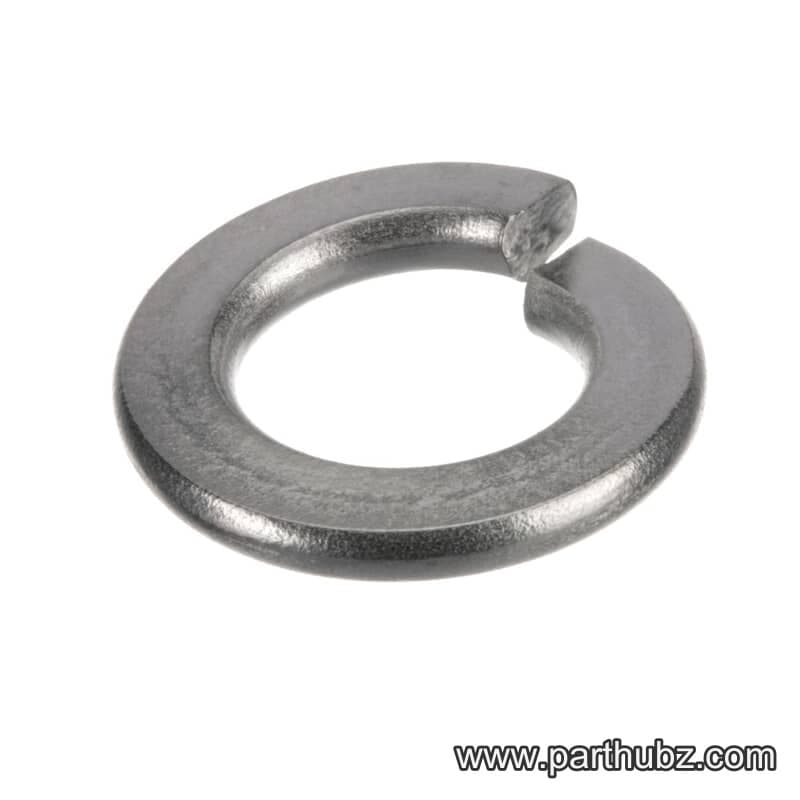
Hobart WL-006-27 Lock Washer, Split, 3/8", Stainless Steel
 In Stock 360°
Hobart 00-119306 Wash Tee, Lower
 Available to Order
Hobart 00-294334 SHUNT CONN
 Available to Order
Hobart 00-475007-00001 BOX,CONTROL ASSEMBLY,W/O BSTR
Available to OrderHobart 00-473373 BUSHING,DOOR LIFT PIN
 Available to Order 360°
Hobart 00-277112 Vacuum Breaker, Chrome, 3/4"
 In Stock 360°
Hobart 00-287152 Lower Wash Arm Kit, AM14/UW50
Available to OrderHobart 00-119298 PLUG-PIPE
Available to OrderHobart FP-035-49 NIPPLE
 In Stock 360°
Hobart 00-293946 Sleeve, Lead, Black, Dishwashers
Available to OrderHobart 00-294321 BRG BRKT
 Available to Order
Hobart 00-436069 Housing, Cycle Switch, LT1
 In Stock 360°
Hobart 00-087713-065-1 Contactor, 240V, 50/60HZ, 30A, 3 Pole
Available to OrderHobart 00-748054 BRACKET,LH,GAS HEAT
 Available to Order
Hobart 00-060395 GROMMET
Available to OrderHobart 00-289360 PIN-CONTROL BOX
 In Stock
Hobart SC-093-03 SCREW
 Available to Order
Hobart 00-274198 CONTACTOR (2 POLE)
 In Stock 360°
Hobart 00-287151 Upper Wash Arm Kit, AM14/UW50
 In Stock 360°
Hobart 00-436100 Gasket, Immersion Tube
 Available to Order
Hobart WS-029-79 WASHER #10
 In Stock

