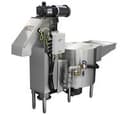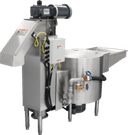
 Image not available
 Hobart
WS800
Waste Equipment SystemHobart WS800 Waste Pulper and Water Press
The Hobart WS800 is a waste equipment system combining a pulper and water press. Its 5 hp pulper grinds suitable waste into slurry; the press removes moisture and compacts the pulp for discharge.
- Voltage
- 480V
- Phase
- 3-phase
Hobart WS800
111 compatible parts available
Genuine OEM Parts
Sourced from the manufacturer
Canadian Owned
Based in British Columbia
Canada-Wide Shipping
Every province and territory
24hr Quote Response
Answered by a real technician
Manuals & Documents
About the Hobart WS800
Overview
The Hobart WS800 is part of Hobart’s WS Series Waste Equipment Systems. The system consists of a pulper, connecting piping and a water press. The pulper grinds suitable waste into a pumpable slurry. That slurry travels through the piping to the press, where a stainless steel screw squeezes out moisture, compacts the waste and lifts the semi-dry pulp to the discharge chute. The process reduces the original waste volume significantly, and process water is recycled to the pulper.
The pulper and water press are connected and adjacent to each other, making the WS800 a self-contained system. The WS Series manual lists the WS800 in both left-to-right and right-to-left operating arrangements. It also describes an optional undercounter installation using a water-tight trough connection. A silver-saver sink with a lift-out basket may be installed with the trough; that sink is by others.
Key Features
- Pulper and water press: The two connected stages grind suitable waste, separate moisture and discharge compacted pulp.
- Waste-processing components: The pulper uses stainless steel components and carbide cutting edges. The water press uses a stainless steel screw.
- Recycled process water: Water from the process is returned to the pulper.
- Flexible operating direction: The WS800 is listed for left-to-right or right-to-left operation.
- Undercounter option: The manual describes undercounter installation with a water-tight trough connection as an installation option.
Specifications
- Product type: Waste Equipment System.
- Model: WS800.
- System components: Pulper, piping and water press.
- Pulper motor: 5 hp.
- Pulper components: Stainless steel components and carbide cutting edges.
- Water press component: Stainless steel screw.
- Operating arrangements: Left-to-right or right-to-left.
- Motor electrical configurations in the WS Series parts list: 240/480 V, 60 Hz, three-phase; 200/380/415 V, 50 Hz, three-phase; 208/380 V, 60 Hz, three-phase; and 575 V, 60 Hz, three-phase. Check the WS800’s data plate to confirm the electrical service required by the specific machine.
- Water connection: 1/2-inch NPT internal-thread connector at the bottom rear of the water press.
- Incoming water pressure: 25 to 45 psig flowing.
- Control box: The manual describes a remotely located NEMA 12 control box.
- Optional chemical feeder connection: Maximum available current is 2.4 A at 200–240 V or 1.6 A at 380–575 V. The chemical feeder is by others.
- Specific used-unit listing: A GovDeals record describes one WS800 as 480 V, three-phase. This is a listing for an individual unit, not a substitute for checking the machine data plate.
Installation & Requirements
Before installation, compare the electrical service with the specifications on the machine data plate, which the manual locates on the front of the water press. The manual directs that the water press be located near a floor drain. The floor should pitch at least 1/4 inch per foot toward the drain. Allow space for operation, cleaning and servicing; the supplied manual excerpt does not state a numerical clearance.
Connect the water supply to the 1/2-inch NPT internal-thread connector at the bottom rear of the water press and provide a manual shut-off valve. Incoming water pressure must be between 25 and 45 psig while flowing. Connect the water press drain to a suitable drain in accordance with local code. The manual states that plumbing connections must comply with applicable sanitary, safety and plumbing codes.
The control box is remote from the pulper and water press. Terminal blocks are provided in the control box and in the enclosure at the rear of the water press to facilitate field wiring. Install conduit and wiring according to the electrical diagram inside the control box, and follow applicable electrical and grounding codes. Before working on the circuit, disconnect the electrical supply and tag the disconnect switch. The supplied manual does not specify a gas connection or ventilation requirement.
If an optional chemical feeder by others is installed, connect the provided tube at the rear of the water press to the feeder pump outlet when specified. Electrical connection points are available in the remote control box and on the terminal blocks at the rear of the water press. Match the line voltage to the machine voltage and use suitable wire; the manual cautions against bell wire and lamp cord. The feeder connection’s maximum available current is listed in Specifications.
Operation
Feed appropriate waste steadily and watch the return-water flow. The manual identifies a reduction in that flow as an indication that the pulper is overloaded. If this happens, stop feeding for a few minutes until the return water resumes its normal flow. Do not overload the pulper with bread or pastry, or feed it a slug of greasy swill. Mix these materials with bulky waste such as corrugated boxes. The manual notes that the pulper performs better with clean, cold water and recommends draining dirty water after each meal cycle.
Keep the discharge receptacle below the bottom of the discharge chute, and empty it as needed. Add corrugated boxes at regular intervals while processing. Feed heavy printed matter, computer cards, bulletins, computer printouts and catalogs gradually to avoid overloading. If waste arrives in large plastic bags, tear open each bag and feed one at a time; unopened bags can fill with air and float, interfering with operation.
Do not feed glass or metal containers. Sort them out of plastic bags because these materials are highly abrasive and accelerate machine wear. The manual suggests using a can or bottle crusher to reduce their volume for recycling. Do not feed rags, mop heads, wooden crates, oyster or clam shells, or heavy uncooked bones; the system cannot efficiently reduce their volume.
Glossy-finished paper and materials with high glue content can cause foam in the pulper tank. Excessive foam can interfere with pulping. The manual notes that anti-foaming chemicals and metering pumps are available from chemical supply companies. Its troubleshooting guidance also identifies glossy paper, cardboard and potatoes as materials that can produce substantial foam.
Cleaning & Maintenance
The manual calls for regular daily cleaning and warns that missed cleaning can leave the machine unsightly and cause odors. It recommends having a hose with a good-quality, lever-operated nozzle available, preferably with hot water. At the end of the operating period, send several boxes of paper trash or corrugated cardboard through the pulper. If the Clean Cycle option is installed, press its button; the system processes the final load for 15 minutes before shutting down automatically. Without that option, allow at least ten minutes for the final paper or cardboard load to process. Press STOP and wait for the pulper disk to stop.
Before cleaning, disconnect power at the main control box, tag the disconnect switch and wait for the pulper disk to come to a complete stop. Open the feed hood or pulper cover plate and remove floating material with a strainer or skim tool. Open the discharge chute and put remaining pulp in the waste dumpster. If the feed hood and tray option is installed, remove the curtains from the hood clips. Open the drain valve and drain the machine. Scoop loose trash into a container, then hose down the inside of the pulper tank and, if fitted, the feed hood and curtains.
Open and remove the trash box, empty it and clean it before replacing it. Remove the three water-press access doors and hose down the inside of the housing and screen; flush lightly with the hose. The manual says it is not necessary to dig out the plug of pulp remaining at the top of the water-press screw. Wash down the floor, close the drain valve, dispose of material removed from the trash box and replace all removed parts.
Troubleshooting
- Machine will not start: The manual lists a tripped supply breaker, an off power handle, an incorrectly positioned pulper cover, discharge-chute lid or discharge chute, or insufficient water as possible causes. Replace the fuse or reset the breaker as applicable, switch the handle on, put the cover and chute parts in position, and check the water supply and drain valve.
- No water or insufficient make-up water: Check whether the water supply is off or the drain valve is open or leaking. Turn on the supply, close the valve and repair a leak.
- Pulper jammed: Overloading or a pulping disk jammed by scrap metal or heavy material may be responsible. Turn the machine off at the main control panel and clean out the pulper. If material cannot be removed, call for service.
- Water press jammed: Check for an obstructed discharge-chute outlet, a hardened plug in the water press, or a full trash container causing pulp to back up. Turn the machine off, remove residual pulp or hardened waste, empty the container and clear loose pulp from the chute.
- Machine will not drain or drains slowly: The manual lists a full trash box, unpulped material in the pulper or a clogged drain hose. Turn the machine off. For a full trash box, do not remove the box; wear a protective glove and clean from inside the pulper tank. Run the pulper to process remaining material, or turn it off and clean out the tank if it will not process the material. For a clogged drain hose, remove the clean-out plug installed by the plumber and use water pressure to clear the clog.
- Excessive foam in the water press: Glossy paper, cardboard and potatoes can create large quantities of foam. The manual suggests adding a defoaming agent, draining and refilling with fresh water, and turning the pulper off when it is not being fed.
Follow the manual’s power-disconnection and tagging warning before maintenance or cleaning. For repairs and adjustments, contact a local Hobart-authorized service office.
Applications
The WS800 is intended to process suitable grindable waste in commercial food-service operations. The manual specifically discusses paper, corrugated cardboard, printed matter and food waste such as bread, pastry, greasy swill and potatoes, while emphasizing that feeding technique affects operation. It also lists materials the pulper cannot efficiently process or that can cause accelerated wear, including glass and metal containers, rags, mop heads, wooden crates, oyster or clam shells, and heavy uncooked bones. Sort out prohibited items rather than sending them through the system.
Hobart WS800 Specifications
- Voltage
- 480V
- Phase
- 3-phase
- Model
- WS800
- Motor Power
- 5 horsepower
- Cutting Edges
- Carbide
- Pulper Components
- Stainless steel
- System Components
- Pulper, piping, and water press
- System Configuration
- Self-contained; pulper and water press are connected and adjacent
- Incoming Water Pressure
- 25 psig to 45 psig flowing
- Water Supply Connection
- 1/2" NPT internal-thread connector
- Operation Direction Options
- Left-to-right or right-to-left
- Chemical Feeder Connection Maximum Amps
- 1.6 Amp (380–575 Volts)
Frequently Asked Questions
How does the Hobart WS800 process waste?+
What electrical connection does the WS800 need?+
What water pressure and connection does the WS800 require?+
Can the WS800 be installed under a counter?+
What should not go into a WS800?+
How often should the WS800 be cleaned?+
How long does a Hobart WS800 last?+
How can I tell the age of a Hobart WS800?+
Need Parts for This Model?
Get a free quote for parts, service, or maintenance for the Hobart WS800. We respond within 24 hours.
 Hobart
View all Hobart equipment →
Parts for the Hobart WS800
Browse genuine OEM components, gaskets, heating elements, thermostats, and replacement hardware guaranteed to fit this equipment.
 Available to Order
Hobart 00-329336-00002 PAD,RUBBER WAFFLE W/O HOLES
 Available to Order
Hobart 00-122837 RELAY GUARDIAN
 Available to Order
Hobart 00-748275 RETARDER,WELDMENT
 Available to Order
Hobart 00-087711-166-1 PLATE,START,BLACK
 Available to Order
Hobart 00-474581-00002 CASTING,CONE,FULL,MACH
 Available to Order
Hobart 00-475430 WELDMENT,SLURRY,6
Available to OrderHobart FP-088-24 FITTING,TUBE 1/2
 In Stock 360°
Hobart FE-022-28 Fuse, 250V, 0.5A
Available to OrderHobart SD-019-26 SCREW
 In Stock 360°
Hobart SC-067-23 Screw, Hex Head, 5/16-18 x 3/8"
 In Stock
Hobart 00-474405 PULL,DRAWER
 In Stock 360°
Hobart NS-013-25 Hex Nut, 3/8-16
 Available to Order
Hobart FE-025-23 FUSE,600V,10A
 Available to Order
Hobart 00-473831 RETARDER WELDMENT
 In Stock 360°
Hobart SC-022-43 Screw, Slotted, Flat Head, 5/16-18 x 1/2"
Available to OrderHobart 00-294500-00028 TRANSFORMER,50 VA
 Available to Order
Hobart 00-474124-00001 MOTOR,3/4 HP,208-230/460/60/3
Available to OrderHobart SC-123-59 SCREW,SET 3/8-24 X 3/8
 Available to Order
Hobart 00-473862 CAP
 In Stock 360°
Hobart SC-008-09 Screw, Slotted Round Head, 10-24 x 3/8"
 Available to Order
Hobart 00-473783 NOZZLE
 Available to Order
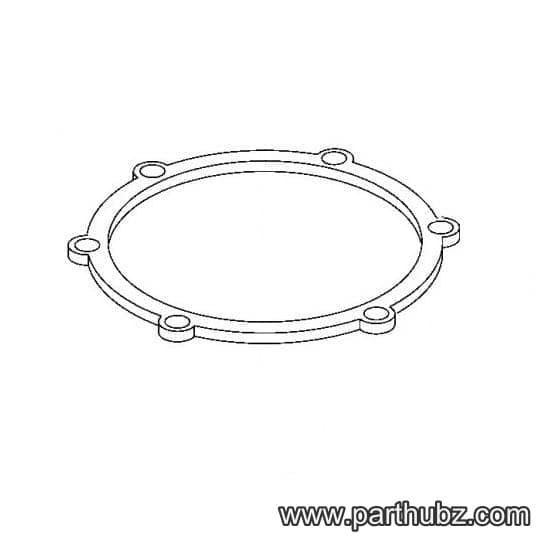
Hobart 00-223605-00001 HOUSING GASKET
 Available to Order
Hobart 00-216933-00002 PUMPING VANES
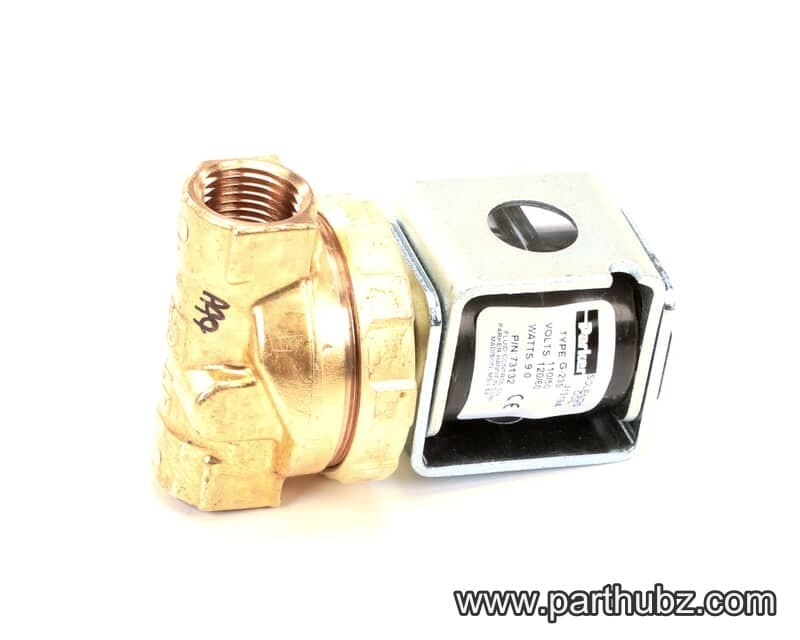 In Stock 360°